
Classical and Modern Languages Career Pathways
Sidebar
Career Prospects
A Classical and Modern Languages degree is not primarily a pathway to becoming a professional interpreter or translator — it's training in how to understand people across cultural and linguistic boundaries, and that skill is in demand everywhere. Language graduates succeed in law, government, healthcare, education, international business, diplomacy, nonprofit work, and research — careers where linguistic and cultural fluency is an advantage others don't have.
What path you take depends on which language you study, what you combine it with, and where your professional interests lead. Many of the strongest career outcomes for CML graduates come from pairing language depth with another credential — a pre-law track, a healthcare or public health concentration, a business or international relations minor, or graduate study.
Law and Legal Careers
Law is one of the most prominent pathways for CML graduates, and language skills are a genuine differentiator in immigration law, international law, civil rights, and public interest legal work. UofL's 3+3 accelerated pathway allows qualified students to begin law school in their senior undergraduate year. Legal occupations project approximately 83,800 annual openings with a group median wage of $99,990 (BLS, May 2024).
Common career pathways include:
- Immigration Attorney or Legal Aid Attorney*
- International Law or Trade Attorney*
- Civil Rights Attorney*
- Court Interpreter or Legal Interpreter
- Paralegal or Legal Translator
- Legislative Aide or Policy Analyst
- Contract Specialist (international organizations)
Law careers require a Juris Doctor (JD) and bar passage.
Government, Diplomacy and National Security
The federal government is one of the most consistent employers of language specialists — from the State Department and Foreign Service to the NSA, CIA, DoD, and USAID. Language proficiency is often an explicit hiring requirement and a basis for premium pay in federal jobs.
Common career pathways include:
- Foreign Service Officer / U.S. Diplomat*
- Intelligence Analyst (NSA, CIA, DIA)
- Military Language Specialist or Cryptologist
- USAID International Development Officer
- U.S. Customs and Border Protection Officer
- Federal Court Interpreter
- Congressional Aide or Embassy Staff
Foreign Service requires the written and oral Foreign Service Exam; security clearance positions require background investigation.
Education and Academia
Teaching — at every level — is one of the most direct career paths for language graduates. Foreign language teachers are in consistent demand in K-12 schools, bilingual education programs, and college instruction. Postsecondary foreign language and literature teachers project 7% employment growth through 2034.
Common career pathways include:
- K-12 Foreign Language Teacher*
- Bilingual Education Teacher*
- ESL/EFL Instructor (domestic and abroad)
- Community College Language Instructor*
- University Professor or Lecturer*
- Language Program Director
- Curriculum Developer (language education)
- Study Abroad Program Coordinator
K-12 teaching requires state licensure. University faculty typically require a PhD in the relevant language or linguistics field.
International Business and Global Commerce
Multinational corporations, international nonprofits, and global supply chain organizations all require employees who can operate across linguistic and cultural lines. Language graduates who combine their training with business coursework, study abroad experience, or an MBA are particularly competitive.
Common career pathways include:
- International Business Development Manager
- Global Account Manager or Sales Representative
- Supply Chain Coordinator (international operations)
- Localization Specialist or Global Content Manager
- International Marketing Analyst
- Trade Compliance Specialist
- Cultural Consultant or Global HR Specialist
Healthcare, Social Services and Community Outreach
Healthcare is one of the sectors most actively seeking bilingual employees — particularly in Spanish, Arabic, Mandarin, and ASL — for roles that require genuine patient communication, not just basic translation. CML's ASL Interpreting Studies BS prepares students for direct clinical interpreting practice.
Common career pathways include:
- Medical Interpreter or Healthcare Interpreter
- Community Health Worker (bilingual)
- Patient Navigator or Case Manager
- Social Worker (bilingual practice, with MSW)*
- Public Health Program Coordinator
- ASL Interpreter (with RID certification)*
- Speech-Language Pathologist (with graduate training)*
ASL interpreting practice typically requires national certification (RID) in addition to the degree. Clinical social work requires an MSW.
Interpretation, Translation and Language Services
Professional interpreting and translation is a specialized career path — not the default for all language graduates, but a viable professional trajectory for those who develop high-level proficiency and pursue relevant certification. Interpreters and translators earned a median wage of $59,440 in May 2024, with approximately 6,900 openings projected per year.
Note: BLS projects 2% growth for interpreters and translators through 2034 — slower than average — reflecting the increased capability of machine translation tools for routine content. The highest-demand roles are in specialized settings (courts, hospitals, national security, diplomatic conferences) where human judgment, cultural context, and professional accountability cannot be automated.
Common career pathways include:
- Court Interpreter (state and federal)*
- Medical / Healthcare Interpreter
- Conference Interpreter (UN, EU, international organizations)*
- Literary Translator
- Localization Specialist (software, media, legal)
- Language Quality Analyst (tech companies)
Conference interpreting at the international level typically requires a master's degree in conference interpreting (e.g., from the Middlebury Institute, Georgetown, or a European program).
Media, Publishing and the Arts
Language graduates bring rare depth to journalism, editing, literary translation, and cultural criticism — fields where the ability to navigate multiple linguistic and cultural registers creates genuinely distinct work.
Common career pathways include:
- Foreign Correspondent or International Journalist
- Literary Translator or Editor
- Film Subtitler or Dubbing Director
- Cultural Critic or Arts Writer
- Publishing Editor (international or bilingual titles)
- Documentary Filmmaker (international subjects)
- Language Content Creator
Preparing You for What's Next
The Department of Classical and Modern Languages prepares students for a world in which cultural fluency is a professional advantage — not just an enriching personal quality. With programs in more than eight languages, study abroad partnerships in Austria, Japan, China, France, Panama, and Spain, and direct connections to graduate and professional programs, UofL CML students graduate ready to work across borders.
The strongest career outcomes consistently come from combining language depth with a professional direction — pre-law, pre-health, international relations, business, or graduate linguistics. Your language becomes most powerful not as a standalone credential but as the differentiator that sets you apart in every field you enter.
Career outcomes vary based on role, industry, experience, location and additional education. Career pathways listed reflect common directions pursued by graduates and are informed by national labor and education data, including the U.S. Bureau of Labor Statistics Occupational Outlook Handbook (bls.gov/ooh) and Employment Projections 2024–2034. The ACTFL employer demand data cited on this page comes from: ACTFL (2019). Making Languages Our Business: Addressing Foreign Language Demand Among U.S. Employers. American Council on the Teaching of Foreign Languages.
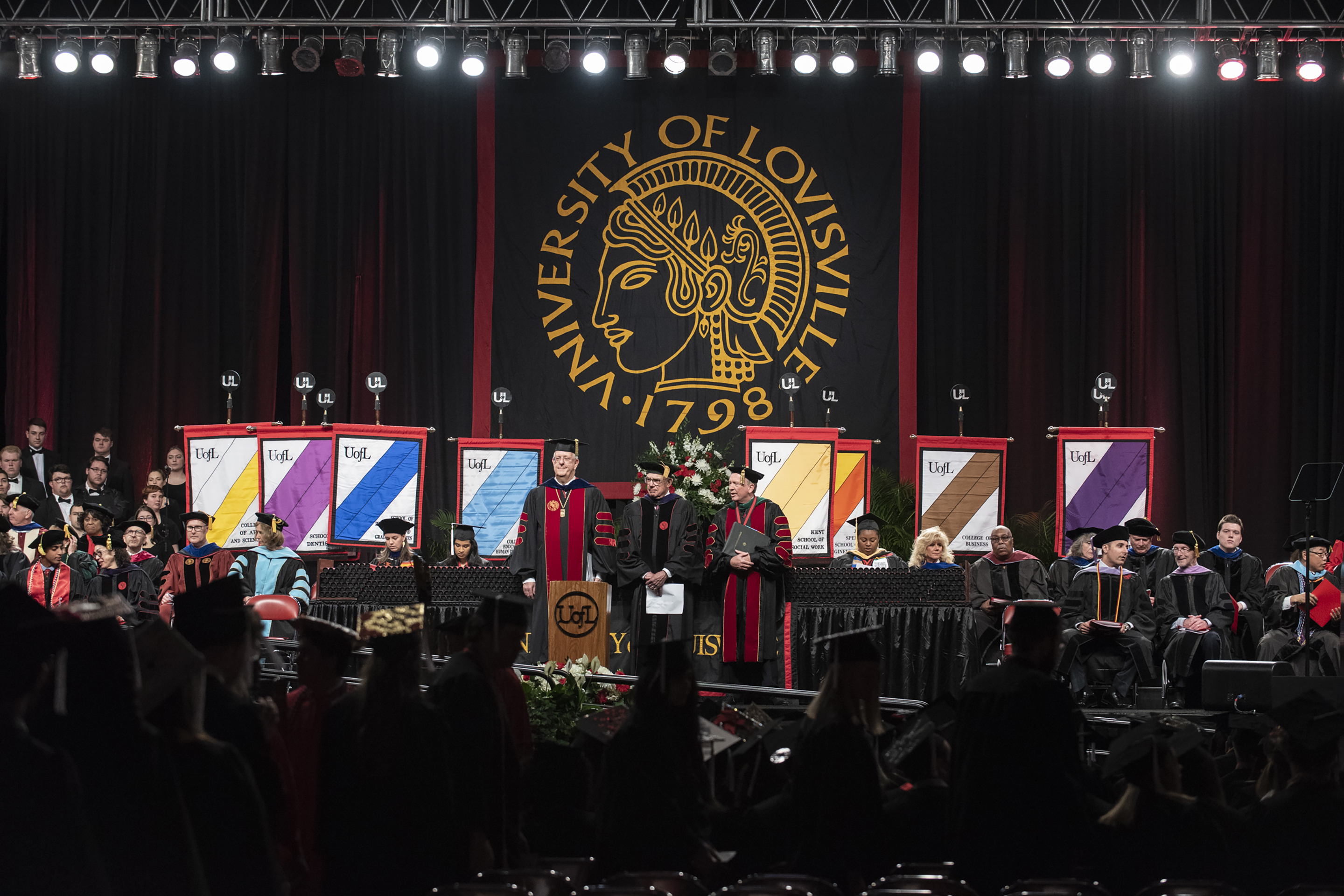
Transform Your Voice Into Your Global Advantage
Ready to build a professional edge that crosses every border, industry, and career path? Explore Classical and Modern Languages at the University of Louisville — where language fluency becomes the skill every employer wants and few candidates bring.